
Why Accurate Bookkeeping Matters for UK SMEs
- Richard Ellis
- Feb 25
- 11 min read

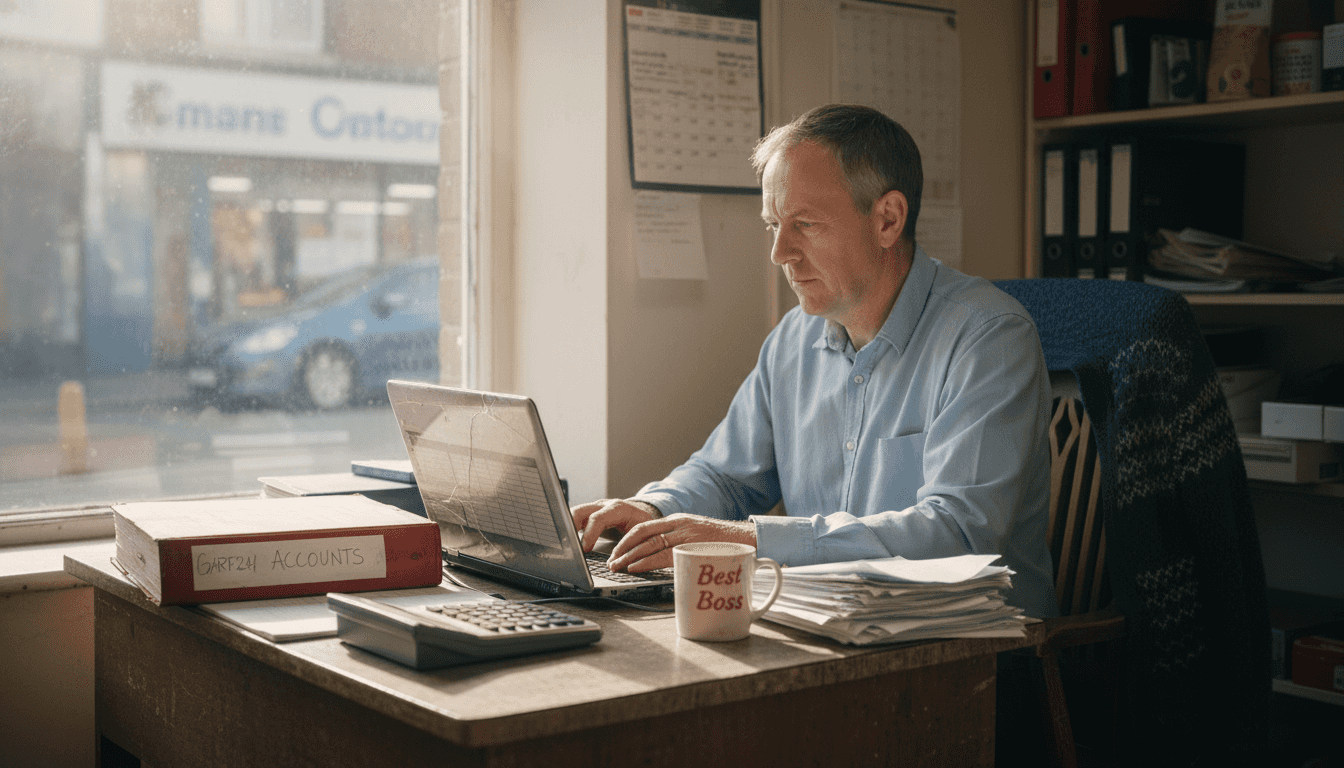
Keeping up with receipts and bank statements can quickly become overwhelming for small business owners in Garforth. With every pound accounted for, reliable bookkeeping turns chaos into clarity and builds trust with stakeholders. These practices also protect you during HMRC checks and make tax season far less stressful. Discover how embracing consistent bookkeeping gives you control, helps you make smarter decisions, and keeps your business’s finances healthy and compliant.
Table of Contents
Key Takeaways
Point | Details |
Importance of Accurate Bookkeeping | Maintaining precise financial records provides clarity on income and expenses, essential for making informed business decisions. |
Legal Compliance with HMRC | Small businesses must adhere to legal requirements by keeping detailed financial records to avoid tax penalties. |
Daily Habits to Simplify Bookkeeping | Allocating a few minutes daily for bookkeeping tasks helps prevent backlogs and ensures timely financial oversight. |
Risks of Poor Record-Keeping | Neglecting bookkeeping can lead to costly errors, tax complications, and misinformed financial decisions, jeopardising business stability. |
Defining Accurate Bookkeeping for Small Businesses
Accurate bookkeeping is not about perfection or complex spreadsheets. It’s about creating a clear, honest record of every pound that moves in and out of your business.
For small business owners in Garforth and across the UK, setting up business accounting involves dedicating regular time to manage your day-to-day finances. This forms the foundation of reliable financial management.
At its core, accurate bookkeeping means:
Recording all income from sales invoices, payments, and customer transactions
Tracking every business expense, from supplier invoices to receipt-based costs
Maintaining bank statements alongside your records to verify what actually happened
Keeping documents organised and accessible for HMRC requirements
Using accounting software that complies with Making Tax Digital rules
Think of it like maintaining a bank account statement for your entire business. Every transaction has a purpose, a date, and a value. When you track these properly, you eliminate confusion later.
Why This Matters for Your SME
Accurate bookkeeping gives you real visibility. You’ll know exactly how much money you’re earning, where it’s going, and whether your business is actually profitable. Without it, you’re essentially flying blind.
For Garforth-based businesses especially, having clean records makes tax season far less stressful. You won’t scramble in January looking for receipts from six months ago. You’ll have everything organised and ready.
Accurate records take minutes daily but save hours during tax reporting and protect you during HMRC inquiries.
You’ll also spot problems early. If cash flow is tightening or certain expenses are creeping up, good bookkeeping shows you this immediately. You can make decisions based on facts, not guesses.

What Accurate Bookkeeping Actually Includes
Accurate bookkeeping covers several key areas that work together:
Daily transaction recording – entering each sale, payment, and expense as it happens
Invoice management – issuing invoices to customers and tracking when they pay
Expense documentation – keeping receipts and recording what you’ve spent money on
Bank reconciliation – checking your records match your actual bank statements monthly
VAT tracking – recording sales and purchases correctly if you’re VAT-registered
You don’t need to understand complex accounting principles. You just need consistency and honesty. Record things the same way each time, and keep the paperwork to back it up.
Most businesses in your position benefit from using software that simplifies this rather than managing spreadsheets manually. The right tool connects to your bank, automates data entry, and reduces human error significantly.
Pro tip: Set aside fifteen minutes each day to enter transactions rather than leaving it until month-end. Small daily habits prevent the chaos of catch-up bookkeeping and keep your records current.
Key Bookkeeping Responsibilities and Methods
Bookkeeping isn’t a single task you complete once. It’s an ongoing set of responsibilities that keep your business finances running smoothly and compliant with regulations.
The core job involves recording and maintaining financial transactions accurately and consistently. This forms the backbone of your financial records and everything built on top of them.
What Bookkeeping Responsibilities Actually Cover
Your key bookkeeping duties include:
Recording every income transaction from sales, invoices, and customer payments
Tracking all business expenditure with supporting receipts and documentation
Managing invoices issued to customers and tracking payment status
Reconciling bank statements monthly to ensure records match reality
Maintaining organised files of receipts, invoices, and financial documents
Supporting tax returns with accurate, complete financial data
Monitoring cash flow to identify trends and potential issues early
These tasks work together. Recording transactions gives you data. Reconciling against your bank account verifies that data. Organised files ensure you can find proof when needed.
Consistent, timely bookkeeping prevents panic during tax season and protects you during HMRC checks.
Choosing Your Bookkeeping Method
You have two main approaches to choosing an appropriate accounting method: single-entry or double-entry bookkeeping.
Single-entry bookkeeping records each transaction once, typically in a simple log or spreadsheet. This works for very small businesses with uncomplicated finances. It’s straightforward but offers less control and error-checking.
Double-entry bookkeeping records each transaction twice, once as a debit and once as a credit. This creates a built-in check that your records balance. Most businesses benefit from this method because it catches mistakes automatically.
Most modern accounting software uses double-entry principles behind the scenes, so you don’t need to understand the mechanics. The software handles it for you whilst maintaining accuracy.
Here is a comparison of single-entry and double-entry bookkeeping methods to help select the most suitable option for your business:
Bookkeeping Method | Complexity Level | Error Detection | Suitable Business Size |
Single-entry | Very simple to use | Limited error spotting | Sole traders, micro-businesses |
Double-entry | More complex | Detects balancing errors | SMEs, growing or established firms |
Daily Bookkeeping Tasks
You don’t need to be a qualified accountant to handle these responsibilities. Consistency matters far more than expertise.
Each day or week, you’ll enter new transactions, file receipts, and monitor your bank account. Monthly, you’ll reconcile to ensure everything matches. This rhythm prevents backlog and keeps your records current and reliable.
Many SME owners in Garforth find that delegating bookkeeping—whether to an internal team member or external professional—frees them to focus on running the business rather than drowning in paperwork.
Pro tip: Set up automatic bank feeds in your accounting software so transactions import directly from your bank. This reduces manual data entry errors and saves hours each month on reconciliation.
HMRC Requirements and Legal Obligations
HMRC doesn’t make suggestions about bookkeeping. They make demands. As a UK business owner, you’re legally required to maintain records that support your tax position, whether you’re self-employed or running a limited company.
The specifics depend on your business structure, but the underlying principle is identical: accurate records prove what you’ve earned and spent, protecting you during any tax inquiry.
What HMRC Requires From Self-Employed Businesses
If you’re self-employed, HMRC requires accurate records of business income and expenses to support your tax returns. This isn’t optional or flexible.
You must keep:
Records of all sales and income from clients or customers
Invoices issued to customers with dates and amounts
Receipts for every business expense you claim
Bank statements showing money in and out
Details of any stock or assets you own
Information about any debts your business owes
These records must cover the full tax year and be available if HMRC requests them. Failing to maintain them can result in penalties, even if your tax return is otherwise correct.
Limited Company Requirements
Limited companies face stricter rules. Limited companies must maintain separate financial records from their owners, keeping detailed accounts of all money received and spent, assets owned, debts owed, and stock held.
Companies must:
Keep detailed accounting records for at least six years
File annual accounts with Companies House
Submit a Company Tax Return to HMRC annually
Ensure records are organised and accessible
These aren’t suggestions. They’re legal requirements with real penalties for non-compliance.
Missing the six-year record retention deadline or failing to file accounts can result in fines starting at £150 and rising significantly for repeated breaches.
Choosing Your Accounting Basis
From the 2024-2025 tax year, cash basis accounting is the default for eligible self-employed individuals. This means you record income when money actually arrives and expenses when you actually pay them, rather than when invoices are issued.
Traditional accrual accounting remains an option if your business qualifies and you prefer it. Most small businesses find cash basis simpler and more aligned with actual cash flow.
Your choice affects how you report income and expenses, so it matters for accuracy and compliance. The key is consistency—whatever method you choose, apply it throughout your records.
Pro tip: Set calendar reminders to review your records quarterly rather than waiting until tax season. This catches errors early, ensures you’re on track with HMRC requirements, and prevents the stress of last-minute scrambling.
Financial Decision-Making and Cash Flow Impact
Accurate bookkeeping isn’t just about satisfying HMRC. It’s your window into whether your business is actually making money and where that money is going.
Without reliable financial data, you’re making decisions blindfolded. You might invest in stock you can’t afford, hire staff you can’t pay, or miss opportunities because you don’t realise you have cash available.
How Bookkeeping Drives Better Decisions
Financial decision-making in SMEs relies on accurate financial information from bookkeeping. Clean records let you see patterns, trends, and problems that raw numbers alone won’t reveal.
Accurate bookkeeping enables you to:
Identify which products or services are actually profitable
Spot seasonal patterns in your cash flow and plan accordingly
Evaluate whether price increases are justified by your margins
Decide whether hiring new staff makes financial sense
Assess whether you can afford to take on larger projects or contracts
Plan investments in equipment or technology with confidence
Each of these decisions requires accurate, current financial data. Guessing costs you money. Knowing saves it.
When you understand your actual cash position, you stop making expensive mistakes based on assumptions.
The Cash Flow Challenge for SMEs
Small businesses face unique cash flow pressures. You might have customers who pay late, seasonal dips in revenue, or unexpected expenses that drain your account quickly.
SMEs face cash flow challenges due to limited resources and smaller customer bases, making accurate bookkeeping essential for anticipating payment delays and maintaining financial stability. Good records let you forecast where cash will be tight and plan accordingly.
With proper bookkeeping, you can:
Predict when customer payments will arrive based on historical patterns
Identify slow-paying customers before they become problems
Plan for seasonal gaps when revenue drops
Know exactly when you can afford to pay suppliers early for discounts
Spot cash shortfalls before they force you into expensive borrowing
This isn’t theory. It’s survival. Businesses fail not because they’re unprofitable but because they run out of cash.
Real Impact on Your Business
Consider two Garforth businesses with identical annual profits of £50,000. One owner checks their accounts monthly and adjusts spending based on actual cash position. The other guesses.
The first might reinvest strategically, negotiate better terms with suppliers because they understand their numbers, and sleep soundly knowing where they stand. The second might overdraft unnecessarily, miss discount opportunities, and face constant anxiety.
The difference is bookkeeping. One business controls its finances. The other lets finances control it.
Pro tip: Create a simple cash flow forecast each month showing expected income and expenses for the next three months. This single document prevents most cash flow surprises and guides your spending decisions.
Risks of Poor Bookkeeping and Common Mistakes
Poor bookkeeping doesn’t just create inconvenience. It creates real, measurable damage to your business. You might face tax penalties, miss cash flow problems until they’re critical, or make costly decisions based on inaccurate information.
Understanding these risks helps you avoid them. Most mistakes are preventable if you know what to watch for.
The Real Consequences of Poor Records
Poor bookkeeping increases financial mismanagement risk and non-compliance with regulations for SMEs, creating cash flow issues that threaten business sustainability. One year of neglected bookkeeping can take months to untangle.
You expose yourself to:
Tax penalties from HMRC if records don’t support your returns
Cash flow blindness where you run out of money unexpectedly
Difficulty securing finance because lenders won’t trust unclear accounts
Poor decision-making based on incomplete or inaccurate data
Time waste when you need to reconstruct missing information
Damaged relationships with accountants or bookkeepers who inherit messy records
These aren’t theoretical problems. They happen to real businesses every year.
Spending hours fixing past mistakes costs far more than spending minutes staying organised in the first place.
Common Mistakes Small Business Owners Make
Common bookkeeping mistakes include failing to save receipts and neglecting regular account reconciliation, leading to inaccurate financial records and tax penalties. These errors compound over time.
Watch out for these traps:
Lost receipts – you claim an expense but can’t prove it if HMRC asks
Unmixed personal and business spending – muddled bank accounts hide true profitability
Untracked reimbursable expenses – clients reimburse you but it never gets recorded properly
Inconsistent classification – expenses move between categories, making analysis impossible
Months without reconciliation – errors sit undetected until they’re expensive to fix
Poor communication – if you use a bookkeeper, vague instructions lead to wrong data entry
Each mistake seems small individually. Together, they create a financial mess.
To support small business owners, here’s a summary of common bookkeeping mistakes and their real-world impacts:
Mistake Type | Potential Business Consequence | Prevention Tip |
Mixing personal and business funds | Confused profit calculations | Use a separate business account |
Not reconciling monthly | Undetected payment or deposit errors | Schedule monthly bank reviews |
Losing proof of expenses | Missed tax deductions, penalties | Digitally store all receipts |
Misclassifying transactions | Skewed financial analysis | Use standardised categories |
How These Mistakes Harm Garforth Businesses
Imagine a local tradesperson who doesn’t reconcile their account for six months. When they finally check, they discover a £3,000 error—but can’t remember which client payment was missed. They waste days investigating.
Or consider a retail owner who loses track of which expenses are business-related. At tax time, they either claim too little and overpay tax, or claim too much and face HMRC scrutiny.
These scenarios aren’t rare. They’re common because bookkeeping feels like an annoying chore until it becomes an expensive crisis.
Prevention Through Discipline
Prevention is simpler than recovery. A few daily habits eliminate most problems: saving receipts immediately, recording transactions promptly, and reconciling monthly. Understanding bookkeeping best practices helps you build systems that work automatically.
Most mistakes stem from trying to do bookkeeping in bulk rather than maintaining it regularly. Daily discipline beats weekly panic every time.
Pro tip: Create a simple checklist for your bookkeeper or yourself: save all receipts, record transactions within 48 hours, reconcile monthly. Laminate it and stick it on your desk. Systems prevent mistakes better than good intentions.
Take Control of Your SME’s Finances with Expert Bookkeeping Support
Accurate bookkeeping is the cornerstone of every successful UK SME. If you are struggling with scattered receipts, unclear cash flow, or the pressure of HMRC compliance, you are not alone. Many small business owners in Garforth face these challenges daily and benefit immensely from consistent, honest, and up-to-date financial records. At Concorde Company Solutions, we understand the pain points that come with managing daily transactions, bank reconciliations, and tax obligations. We specialise in transforming complex bookkeeping responsibilities into clear, manageable processes tailored specifically for your business needs.

Discover how our dedicated team can simplify your accounting tasks, reduce errors, and provide clarity so you can make confident financial decisions. Whether you require assistance with bookkeeping, company tax returns, or setting up accounting software compliant with Making Tax Digital rules, our personalised solutions focus on building trust through transparency and expert guidance. Don’t wait until tax season stress hits or cash flow surprises disrupt your business. Visit Concorde Company Solutions and explore our professional bookkeeping services designed for small businesses. Take the first step to secure your financial future by contacting us today.
Frequently Asked Questions
What is accurate bookkeeping?
Accurate bookkeeping involves creating a clear and honest record of every financial transaction in your business, including all income and expenses. It provides insights into your business’s financial health and is essential for effective financial management.
Why is accurate bookkeeping important for small businesses?
Accurate bookkeeping allows small business owners to have visibility over their finances, helping them understand their income, expenses, and overall profitability. It simplifies tax reporting and protects against potential HMRC inquiries.
What are the main tasks involved in accurate bookkeeping?
Key bookkeeping tasks include daily transaction recording, invoice management, expense documentation, bank reconciliation, and VAT tracking if applicable. These responsibilities help maintain organised financial records and support informed decision-making.
How can poor bookkeeping affect my business?
Poor bookkeeping can lead to tax penalties, cash flow issues, and inaccurate financial data, which may result in poor business decisions. It can also create a significant amount of time and resources spent on correcting the financial records later on.
Recommended
Comments