
7 Essential Tips for Choosing Accountants in Garforth
- David Rawlinson
- Dec 29, 2025
- 10 min read
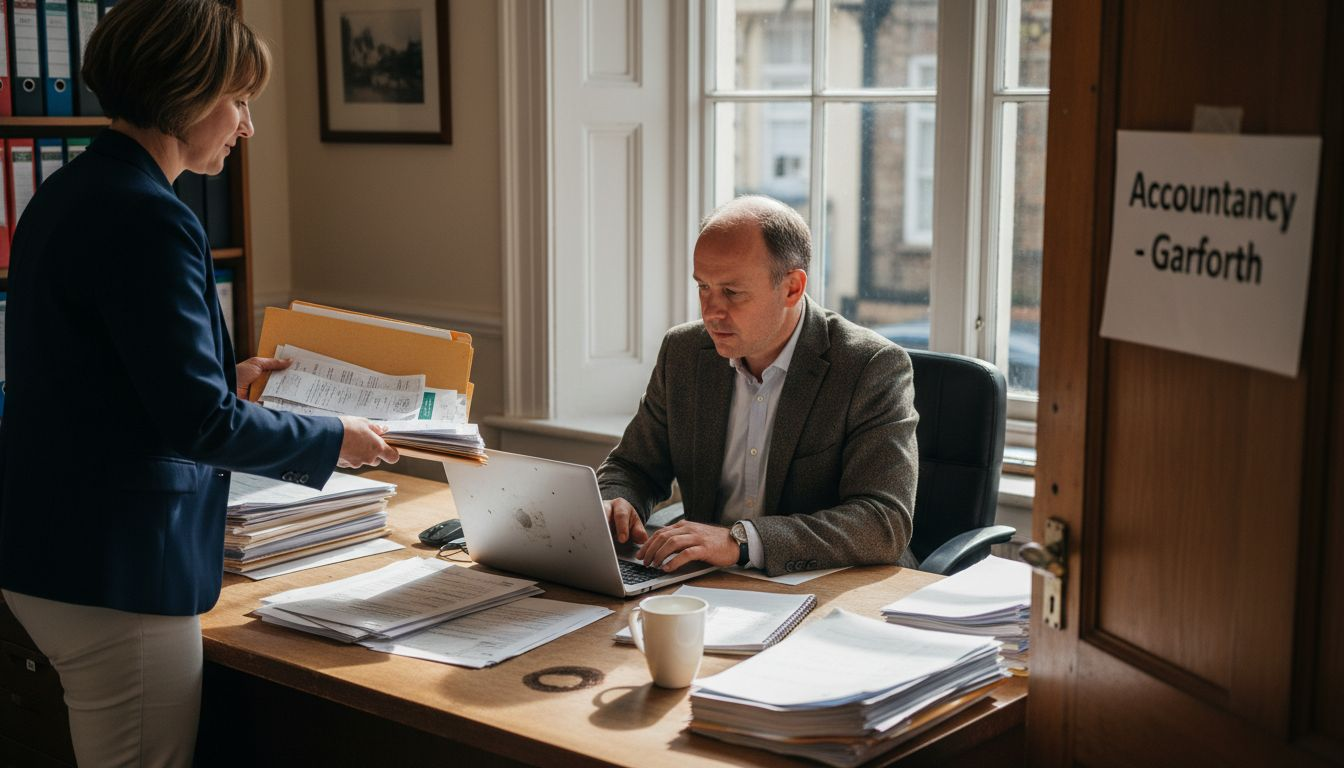
Most British business owners face tough decisions when choosing the right accountant in Garforth or Leeds. With more than 40 percent of small companies reporting costly mistakes due to unclear financial advice, finding a competent professional matters. The journey begins by understanding your specific accounting needs, checking credentials, considering industry experience, and evaluating how well your accountant communicates and supports growth. Get practical strategies here to make confident choices for your business’s success.
Table of Contents
Quick Summary
Takeaway | Explanation |
1. Assess Your Accounting Needs Thoroughly | Evaluate your company’s size, industry, and regulatory obligations to determine what specific accounting services you need. |
2. Verify Qualifications and Memberships | Ensure your accountant holds certifications from recognised professional bodies, indicating their commitment to high standards and ongoing proficiency. |
3. Look for Industry-Specific Experience | Choose an accountant with relevant knowledge of your sector to leverage industry insights and tailored advice. |
4. Prioritise Communication Skills | Find an accountant who can articulate complex financial information clearly and demonstrates proactive responsiveness to your queries. |
5. Confirm Transparent Pricing Structure | Request detailed, itemised pricing to prevent misunderstandings and ensure you understand the full scope of services offered. |
1. Understand Your Accounting Needs First
Navigating the complex world of business finance requires a clear understanding of your specific accounting requirements. Before selecting an accountant in Garforth, you need to conduct a comprehensive assessment of your financial landscape and regulatory obligations.
Every business has unique accounting needs that depend on factors like company size, industry sector, and legal structure. Understanding the specific regulatory frameworks governing UK financial reporting helps you identify precisely what accounting services your organisation demands. This means recognising whether you require full statutory accounts preparation, periodic management reporting, payroll services, or tax compliance support.
Small businesses and sole traders often need different accounting support compared to medium enterprises. Consider your current financial complexity how much professional guidance you require. Are you managing straightforward bookkeeping or dealing with complex multi-year financial strategies? Your accounting needs will directly influence the type of professional you should engage.
To effectively determine your requirements, review your business model, anticipated growth, and current financial management capabilities. Examine past financial challenges, assess your reporting obligations under UK GAAP and IFRS, and consider future strategic goals that might necessitate sophisticated financial planning.
Professional Recommendation: Prepare a detailed document outlining your current financial processes, reporting requirements, and future business objectives before meeting potential accountants to ensure you find the most suitable professional match.
2. Check Qualifications and Professional Memberships
In the world of accounting, credentials are not just pieces of paper they are critical indicators of professional competence and reliability. Selecting an accountant with robust qualifications protects your business from potential financial mismanagement.
When searching for an accountant in Garforth, your primary focus should be on verifying their professional standing through recognised chartered bodies that maintain stringent professional standards. Reputable organisations like the Institute of Chartered Accountants in England and Wales (ICAEW), the Institute of Chartered Accountants of Scotland (ICAS), and the Association of Chartered Certified Accountants (ACCA) provide rigorous certification processes.
These professional memberships are not merely decorative. They represent a commitment to continuous learning, ethical practice, and technical excellence. A chartered accountant must undergo extensive training, pass challenging examinations, and maintain ongoing professional development to retain their status.
When reviewing potential accountants, request documentation of their professional memberships and verify these credentials directly with the issuing bodies. Look for accountants who demonstrate commitment to their professional growth through additional qualifications, specialised certifications, and recent training in current financial regulations.
Professional Recommendation: Request copies of professional membership certificates and cross reference them with the official professional body registers to confirm their current status and standing.
3. Look for Relevant Industry Experience
Not all accountants are created equal particularly when it comes to understanding the nuanced financial landscapes of different business sectors. Your ideal accountant should bring more than just numerical expertise they should demonstrate deep knowledge specific to your industry.
Industry experience goes far beyond basic number crunching. Accounting career paths reveal that targeted sector expertise significantly enhances an accountant’s ability to provide strategic financial guidance. Whether you operate in retail, manufacturing, technology, or professional services each sector carries unique financial challenges and regulatory requirements.
When evaluating potential accountants, ask targeted questions about their previous work with businesses similar to yours. Request case studies or references that demonstrate their understanding of sector specific accounting practices. An accountant who has worked extensively with businesses in your industry will understand subtle financial intricacies that generic practitioners might miss.
Consider the depth of their industry knowledge. Do they understand your business model? Can they anticipate potential financial challenges specific to your sector? The right accountant will speak your business language and offer insights that go beyond standard financial reporting.
Professional Recommendation: Request a detailed discussion about the accountant’s experience in your specific business sector and ask for concrete examples of how they have helped similar businesses navigate financial challenges.
4. Assess Communication and Responsiveness
Choosing an accountant is not just about number crunching it is about finding a professional who can translate complex financial information into clear, actionable insights. Communication is the cornerstone of a successful accountant client relationship.
In the world of financial management, effective communication skills are critical for translating intricate financial details into understandable guidance. Your ideal accountant should demonstrate the ability to explain complicated financial concepts in straightforward language that you can comprehend without feeling overwhelmed.
Responsiveness matters as much as communication quality. Pay attention to how quickly potential accountants return calls or emails. Do they provide clear timelines for delivering work? Are they proactive in sharing important financial updates or potential opportunities? A responsive accountant demonstrates commitment to your business success and understanding of the fast moving nature of financial management.
Consider scheduling an initial consultation to assess their communication style. Ask specific questions about how they will keep you informed about your financial status. Look for accountants who are not just reactive but proactive in their communication approach sharing insights, potential risks, and strategic recommendations before you even ask.
Professional Recommendation: During your initial meeting, present a complex financial scenario and observe how clearly and comprehensively the accountant explains their approach to resolving it.
5. Review Transparent Pricing and Service Packages
In the complex world of accounting services, understanding your potential financial commitment is not just smart it is essential. Transparent pricing protects both you and your accountant from unexpected misunderstandings and potential disputes.
Pricing transparency is a fundamental requirement for professional service providers in the UK, ensuring that businesses can make informed decisions about their financial support. A reputable accountant will provide clear, itemised service packages that outline exactly what you can expect for your investment.
When reviewing pricing structures, look for accountants who offer fixed fee packages with comprehensive service descriptions. These packages should clearly articulate what is included such as annual accounts preparation, tax return submissions, payroll management, or periodic financial consultations. Be wary of accountants who provide vague pricing or seem reluctant to discuss costs upfront.
Request a detailed engagement letter that breaks down all potential charges. Some additional services might incur extra fees complex tax situations or unexpected financial reporting requirements might need supplementary work. Understanding these potential additional costs in advance prevents future financial surprises and helps you budget effectively for professional accounting support.
Professional Recommendation: Request a written breakdown of all potential fees and charges before signing any agreement, and ask for clarification on any terms or services you do not fully understand.
6. Ensure Compliance with HMRC Standards
Navigating the complex landscape of tax regulations requires more than just good intentions it demands precise understanding and meticulous implementation of HMRC standards. Your chosen accountant must be a guardian of compliance who protects your business from potential financial penalties.
Compliance with UK accounting laws involves a comprehensive approach to meeting regulatory requirements, encompassing everything from timely tax return submissions to adhering to intricate financial reporting standards. This means your accountant should demonstrate thorough knowledge of obligations set by HMRC, the Financial Reporting Council, and Companies House.
Key compliance areas include accurate record keeping, timely filing of annual accounts and tax returns, implementing appropriate audit standards, and strictly following Money Laundering Regulations. Your accountant should proactively guide you through these requirements, ensuring your business remains on the right side of legal obligations.
Ask potential accountants about their approach to staying current with changing regulations. Do they attend regular professional development sessions? Are they members of professional bodies that mandate ongoing training? These indicators help you assess their commitment to maintaining up to date compliance knowledge.
Professional Recommendation: Request a detailed explanation of how the accountant stays informed about recent HMRC regulatory changes and their strategy for implementing these updates in client businesses.
7. Consider Support for Future Business Growth
Choosing an accountant is not just about managing today financial records it is about partnering with a professional who can help you strategically navigate your business future. Your accountant should be a forward thinking advisor who supports your growth ambitions.
UK accountants play a crucial role in developing comprehensive growth strategies for small businesses, offering far more than traditional number crunching. They provide strategic insights that can transform your business trajectory by producing detailed financial forecasts, identifying potential cost savings, and offering guidance on critical decisions related to recruitment, marketing, and operational efficiency.
A growth oriented accountant will help you understand your financial health beyond simple profit and loss statements. They should be able to analyse your current financial position, project potential scenarios, and provide actionable recommendations that align with your business objectives. This might involve scenario planning, identifying investment opportunities, or highlighting potential financial risks before they become problematic.
During initial consultations, ask potential accountants about their approach to business growth. Do they offer strategic planning sessions? Can they provide examples of how they have helped similar businesses expand? Look for professionals who demonstrate a proactive approach to financial management and show genuine interest in understanding your long term business goals.
Professional Recommendation: Request concrete examples of how the accountant has supported business growth for clients in similar industries, and discuss their specific strategies for helping businesses scale effectively.
Below is a comprehensive table summarising the essential aspects of appointing a suitable accountant and ensuring effective communication and compliance within the UK financial and business environment.
Consideration | Details |
Understanding Your Accounting Needs | Evaluate your business’s specific financial requirements, consider size, complexity, and sector needs, and review growth projections to determine the required support level. |
Qualifications and Professional Memberships | Confirm the accountant’s credentials through recognised bodies such as ICAEW, ICAS, or ACCA, ensuring their commitment to professional standards. |
Experience in Your Industry | Choose an accountant with expertise in your sector to benefit from their knowledge of industry-specific financial practices and challenges. |
Communication and Responsiveness | Assess their ability to explain financial concepts clearly, their responsiveness to queries, and their proactive sharing of insights. |
Transparent Pricing | Look for clear, itemised service descriptions with fixed fees and a detailed engagement letter outlining all costs comprehensively. |
Compliance with Standards | Ensure they demonstrate a thorough understanding of HMRC regulations and financial record-keeping requirements, maintaining continuous professional development. |
Support for Future Growth | Verify their capability to assist with strategic financial planning, forecasting, and supporting long-term business ambitions. |
This table highlights critical factors to consider when selecting a professional accountant, ensuring alignment with your business’s immediate and future objectives.
Find the Right Accountant in Garforth to Secure Your Business Future
Choosing the perfect accountant requires more than just checking credentials and prices. The article highlights key challenges such as understanding your unique accounting needs, ensuring transparent pricing, and confirming compliance with HMRC standards. These concerns often leave business owners feeling uncertain about who to trust with their financial management. If you want a partner that understands your business sector, communicates clearly, and supports your growth ambitions, you need an accountant who goes beyond basic number crunching.

At Concorde Company Solutions, we specialise in tailored accounting services for businesses in Garforth. From statutory accounts and company tax returns to payroll and bookkeeping, our transparent pricing and personalised approach remove the stress of financial compliance and let you focus on growing your business confidently. Take the first step today by visiting our main website to discover how we can support your journey. Don’t wait until financial issues arise. Contact us now and secure the peace of mind your business deserves.
Frequently Asked Questions
How can I determine my accounting needs before choosing an accountant in Garforth?
Understanding your accounting needs starts with assessing your business size, industry, and financial complexities. Prepare a detailed document outlining your current financial processes and future objectives to help potential accountants understand your requirements clearly.
What qualifications should I look for in an accountant in Garforth?
Look for accountants who are members of recognised chartered bodies, such as the Institute of Chartered Accountants in England and Wales (ICAEW) or the Association of Chartered Certified Accountants (ACCA). Request copies of their professional membership certificates and verify these credentials to ensure they uphold professional standards.
Why is relevant industry experience important when choosing an accountant?
Relevant industry experience ensures your accountant understands the specific financial challenges and regulations of your sector. Ask them about their previous work with businesses similar to yours to gauge their expertise and ability to offer tailored financial guidance.
How can I assess an accountant’s communication skills?
Assess an accountant’s communication skills by observing how they explain complex financial information during initial consultations. Present a financial scenario and note their clarity and responsiveness, as effective communication is essential for a successful accountant-client relationship.
What should I expect regarding pricing from accountants in Garforth?
Expect transparent pricing from your accountant, ideally in fixed fee packages that clearly outline services included. Request a detailed engagement letter that breaks down all potential charges to avoid any unexpected costs in the future.
How can an accountant support my future business growth?
An accountant can support your business growth by providing strategic insights, creating financial forecasts, and identifying cost savings. During your consultation, ask how they have helped similar businesses develop growth strategies and ensure they align with your long-term objectives.
Recommended


Comments