
Role of Accountants for SMEs – Ensuring Growth and Compliance
- David Rawlinson
- Dec 18, 2025
- 8 min read

Most british small business owners underestimate just how much accountants do behind the scenes. Whether tracking every penny or keeping pace with shifting regulations, the right financial partner can mean the difference between growth and struggle. In fact, over 60 percent of ambitious british SMEs point to expert accounting support as a key reason for their ongoing success. Discover how professional accountants provide far more than simple bookkeeping by shaping smarter decisions and steering businesses through financial complexity.
Table of Contents
Key Takeaways
Point | Details |
Accountants as Strategic Partners | Engaging an accountant early provides essential financial insights that foster business growth and strategic decision-making. |
Comprehensive Accounting Services | SMEs benefit from varied services, including bookkeeping, payroll management, and tax compliance, which enhance financial efficiency and compliance. |
Importance of Compliance | Meeting statutory requirements is crucial for SMEs; neglecting them can lead to legal penalties and reputational harm. |
Selecting the Right Accountant | Choose an accountant with industry expertise and strong communication skills to ensure they can provide proactive, tailored financial guidance. |
What Accountants Do for SMEs Explained
Accountants serve as strategic partners for small and medium-sized enterprises, delivering far more than simple number-crunching services. They provide critical financial guidance that can transform business performance. Accountancy firms play a pivotal role in helping SMEs navigate complex financial landscapes, ensuring sustainable growth and regulatory compliance.
The primary responsibilities of accountants for SMEs encompass several key areas. First, they create detailed cash flow forecasts that help businesses anticipate financial challenges and opportunities. By analysing income streams and expenditure patterns, accountants can help entrepreneurs make informed decisions about resource allocation, investment strategies, and potential cost-saving measures. They also provide expert tax compliance support, ensuring businesses meet all statutory reporting requirements while minimising tax liabilities through strategic planning.
Moreover, accountants offer nuanced strategic advice during periods of economic uncertainty. They can help SMEs identify potential risks, recommend financial restructuring approaches, and develop robust financial models that support long-term business resilience. From managing payroll to preparing annual accounts, accountants provide comprehensive support that allows business owners to focus on core operational activities.
Pro Business Insight: Engage an accountant early in your business journey to establish solid financial foundations and gain strategic insights that can accelerate your growth trajectory.
Pro Financial Planning Tip: Request a quarterly financial review to proactively identify potential challenges and opportunities in your business financial strategy.
Types of Accounting Services for SMEs
SMEs can benefit from a comprehensive range of accounting services designed to support their financial management and growth objectives. These services extend far beyond traditional bookkeeping, offering strategic support that can transform business performance. Company tax planning strategies represent a critical component of professional accounting support for small businesses.
The primary accounting services for SMEs typically include several key areas of financial management. Bookkeeping forms the foundation, involving meticulous recording of financial transactions, managing ledgers, and maintaining accurate financial records. Payroll management is another crucial service, ensuring employees are paid correctly and on time while managing complex tax and national insurance calculations. Tax compliance services help businesses navigate the intricate landscape of tax regulations, preparing and filing annual tax returns, identifying potential tax efficiencies, and minimising potential penalties.

Additional specialised accounting services cater to specific business needs. These include financial reporting, which involves preparing detailed financial statements that provide insights into business performance, cash flow analysis to help businesses understand their financial health, and advisory services that offer strategic guidance on financial planning, investment decisions, and business growth strategies. Some accountants also provide specialised services like forensic accounting, business valuation, and financial restructuring support.
Here is a summary comparing essential accounting services for SMEs and their unique benefits:
Service Area | Key Objective | Unique SME Benefit |
Bookkeeping | Maintaining accurate financial records | Enables informed business decisions |
Payroll Management | Ensuring timely, compliant staff payments | Supports employee satisfaction |
Tax Compliance | Meeting mandatory tax reporting requirements | Reduces risk of fines or penalties |
Financial Reporting | Providing detailed business performance data | Helps track growth and profitability |
Advisory Services | Offering strategic business guidance | Drives long-term business resilience |
Pro Budgeting Insight: Request a comprehensive financial health check annually to identify potential cost-saving opportunities and strategic financial improvements for your business.
Pro Service Selection Tip: Choose an accountant who offers a holistic range of services tailored to your specific business sector and growth objectives.
Statutory Requirements and Compliance Duties
Statutory requirements and compliance duties represent critical responsibilities for SMEs, demanding meticulous attention to legal and regulatory frameworks. Data protection compliance stands as a fundamental obligation for businesses, requiring careful management of personal and sensitive information.
The primary statutory requirements for SMEs encompass multiple dimensions of business operations. Financial reporting demands annual submission of accurate accounts to Companies House, including balance sheets, profit and loss statements, and directors’ reports. Tax compliance involves precise documentation and timely submissions to HM Revenue and Customs, including corporation tax returns, VAT declarations, and payroll records. Regulatory obligations also extend to areas such as employment law, health and safety regulations, and sector-specific licensing requirements that vary depending on the business’s industry and operational context.
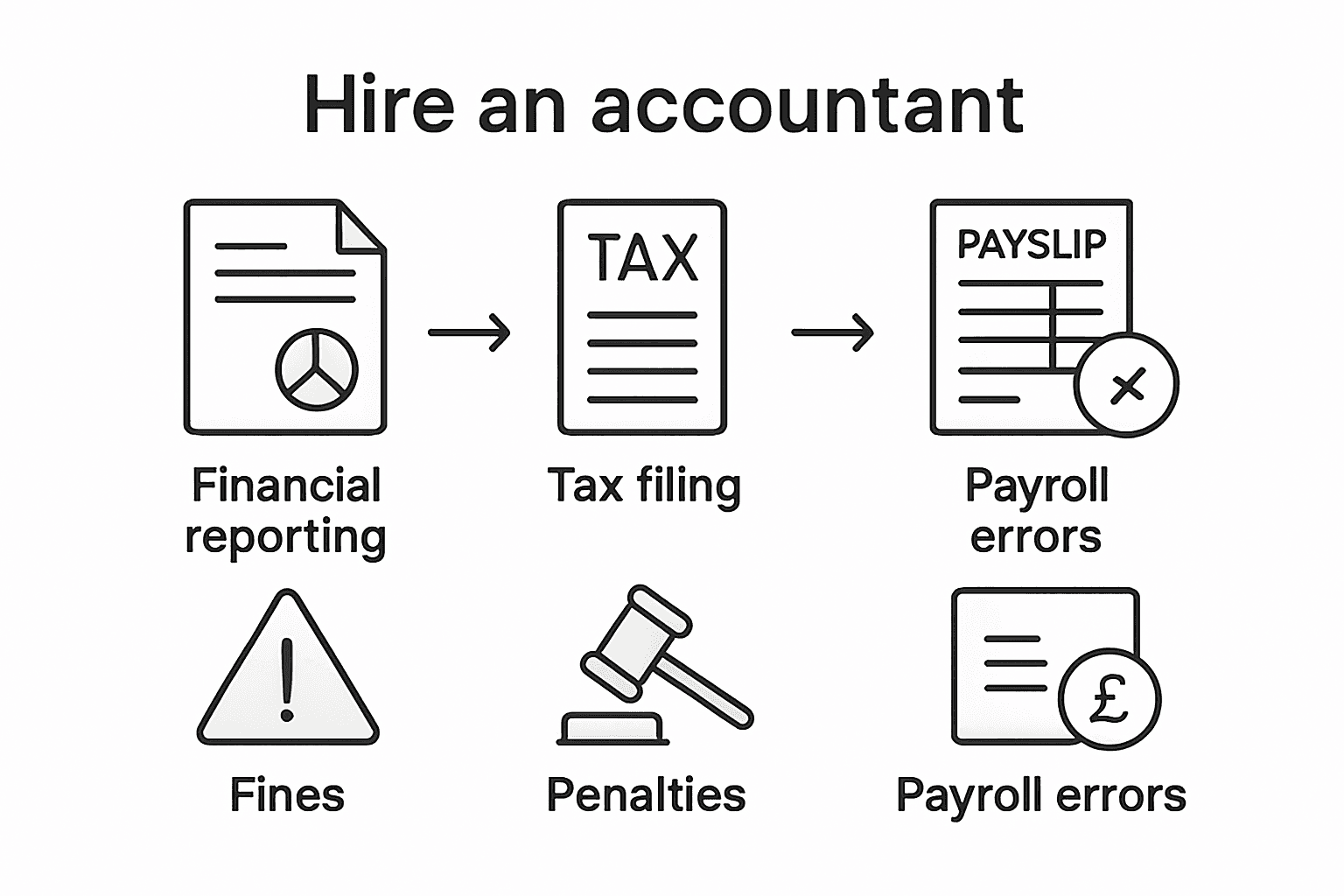
Beyond basic legal requirements, SMEs must also navigate more complex compliance landscapes. This includes environmental reporting, where businesses are increasingly expected to measure and disclose their carbon footprint and sustainability efforts. Data protection regulations require robust mechanisms for managing customer and employee information, implementing secure data handling protocols, and maintaining transparent privacy policies. Limited companies must also maintain accurate statutory registers, including records of directors, shareholders, and significant corporate changes.
Below is a reference comparing statutory compliance areas and typical risks for SMEs:
Compliance Area | Common Requirement | Typical Risk if Neglected |
Financial Reporting | Submit annual accounts to Companies House | Legal penalties and investigations |
Tax Filings | File tax and VAT returns accurately | Unexpected tax bills, fines |
Data Protection | Safeguard personal data with policies | Breaches and reputational damage |
Employment Law | Adhere to contracts and wage regulations | Employment disputes, compensation |
Pro Compliance Insight: Conduct a comprehensive annual compliance audit to identify and address potential regulatory gaps before they become problematic.
Pro Legal Preparation Tip: Develop a dedicated compliance calendar tracking all critical submission dates and regulatory deadlines to ensure consistent and timely adherence.
Tax Planning, Bookkeeping, and Payroll Essentials
Tax planning, bookkeeping, and payroll management are interconnected financial disciplines that form the backbone of successful SME financial operations. Tax return preparation strategies require careful, strategic approaches to minimise tax liabilities while ensuring full compliance with HM Revenue and Customs regulations.
Effective bookkeeping serves as the foundation for accurate financial management. This involves systematic recording of all financial transactions, maintaining comprehensive ledgers, tracking income and expenses, and generating crucial financial reports. Tax planning goes beyond simple record-keeping, involving strategic analysis of financial structures to optimise tax efficiency. This includes identifying potential tax deductions, understanding allowable expenses, managing capital gains, and implementing tax-efficient business strategies that legally minimise the company’s tax burden.
Payroll management represents another critical aspect of financial administration for SMEs. This complex process involves calculating precise employee wages, managing national insurance contributions, handling tax deductions, ensuring compliance with employment regulations, and maintaining accurate records of all staff compensation. Modern payroll systems integrate sophisticated software solutions that automate complex calculations, reduce human error, and provide real-time financial insights. Accountants play a crucial role in navigating these intricate systems, ensuring that businesses meet all statutory requirements while maintaining financial transparency.
Pro Financial Organisation Tip: Implement a digital bookkeeping system that automatically categorises expenses and integrates with your accounting software to streamline financial management.
Pro Tax Efficiency Insight: Schedule quarterly tax planning reviews to proactively identify potential tax-saving opportunities and adjust your financial strategy accordingly.
Choosing the Right Accountant for Your SME
Selecting the most suitable accountant is a critical decision that can significantly impact your business’s financial health and growth trajectory. Understanding why businesses need professional accounting support represents the first step in making an informed choice that aligns with your specific business requirements.
When evaluating potential accountants, SMEs should consider several key selection criteria. Technical qualifications matter, but equally important are practical experience, industry specialisation, and demonstrated understanding of your specific business sector. Look for professionals with recognised accreditations from bodies like the Institute of Chartered Accountants, who can provide comprehensive services beyond basic number crunching. Communication skills are crucial – your ideal accountant should be able to translate complex financial concepts into clear, actionable insights that help drive strategic business decisions.
Beyond technical competence, the right accountant should function as a strategic partner who understands your business’s unique challenges and growth objectives. This means seeking professionals who offer proactive advice, not just reactive compliance services. Consider their technological capabilities, such as proficiency with modern accounting software, ability to provide real-time financial reporting, and willingness to integrate with your existing business systems. A forward-thinking accountant will help you anticipate financial challenges, identify tax efficiencies, and develop robust financial strategies that support long-term business sustainability.
Pro Selection Insight: Conduct initial consultations with multiple accountants, asking specific questions about their experience in your industry and approach to financial strategy.
Pro Compatibility Tip: Prioritise finding an accountant who demonstrates genuine interest in understanding your business model and shows proactive communication skills.
Empower Your SME Growth with Expert Accounting Support
Small and medium-sized enterprises face unique financial challenges, from ensuring tax compliance to managing payroll and preparing detailed cash flow forecasts. This article highlights how accountants act as strategic partners, transforming numbers into actionable insights that safeguard your business’s future. If navigating statutory requirements, optimising tax planning, or streamlining bookkeeping feels overwhelming, you are not alone. Many SMEs struggle to balance daily operations while meeting complex financial obligations.
At Concorde Company Solutions, based in Garforth, Leeds, we specialise in supporting SMEs by delivering personalised accounting services designed to address these exact needs. Whether you require help with company tax returns, payroll management, or setting up effective accounting software, our transparent pricing and tailored approach ensure you gain a trusted financial partner focused on your growth and compliance. Let us help you turn compliance duties and financial reporting into clear advantages.
Take control of your business finances today. Visit our services page to discover how our expert accountants can ease your burden and empower your growth.

Start your journey to financial clarity by contacting Concorde Company Solutions now. Receiving professional, responsive support from a dedicated local firm means you can focus confidently on what matters most – growing your business and achieving long-term resilience.
Frequently Asked Questions
What are the main responsibilities of accountants for SMEs?
Accountants for SMEs provide comprehensive services including cash flow forecasting, tax compliance support, payroll management, financial reporting, and strategic advisory services for risk management and growth.
How can accountants help SMEs with tax planning?
Accountants assist SMEs in optimising tax efficiency by identifying potential deductions, managing allowable expenses, and ensuring compliance with tax regulations through strategic planning and thorough documentation.
Why is it important for SMEs to engage with an accountant early in their business journey?
Engaging with an accountant early helps SMEs establish solid financial foundations, gain strategic insights, and proactively identify financial challenges and growth opportunities, which can significantly accelerate business growth.
What types of financial reports do accountants prepare for SMEs?
Accountants prepare various financial reports such as balance sheets, profit and loss statements, and cash flow analyses, providing essential insights into the business’s financial health and performance.
Recommended
Comments